
Bikini laser hair removal: everything you want to ask (and are too shy to)
No question is "odd" when it is about your own body. We have gathered what most women ask — from the first…
Read more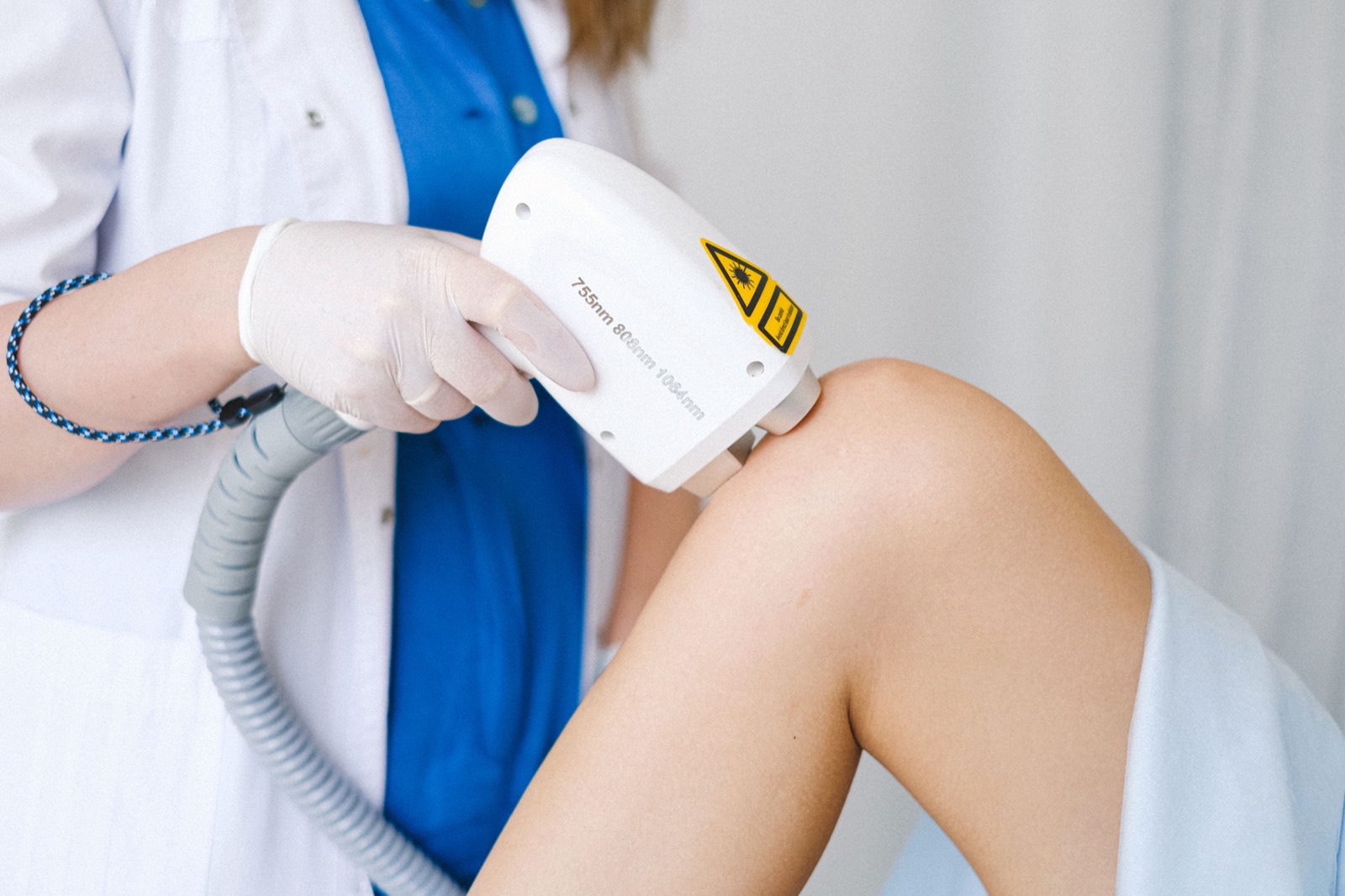
It is the most common dilemma for anyone looking into hair removal: Alexandrite or diode? Both are excellent, well-documented lasers — but they are not the same. Here is where they genuinely differ.
The Alexandrite emits at 755nm — a wavelength with very high absorption by melanin, so it locks onto the hair easily and needs less energy. The diode (800–810nm) penetrates slightly deeper and is absorbed less by the epidermis, which makes it more flexible on intermediate skin types.
For Fitzpatrick types I–III — the classic Mediterranean profile of light to medium skin with dark hair — the literature and clinical experience give the Alexandrite the edge: a faster visible result per session. On darker or permanently tanned skin, the diode (or Nd:YAG) becomes the safer choice.
Modern handpieces for both technologies cover large areas quickly, with integrated cooling. In practice, the Alexandrite with the right settings is just as comfortable — and because it delivers results at lower energy on suitable skin, the overall thermal load stays low.
The Cochrane review (2006) ranks the Alexandrite and the diode as the two technologies with the strongest evidence behind them. The choice is not "which laser is better in general" but "which is better for your own skin" — and that is answered in a proper assessment, not in an advertisement.
Book a free consultation — we will analyse your skin type and build your plan, with no commitment.
Book a free appointmentKeep reading
 For Women
No question is "odd" when it is about your own body. We have gathered what most women ask — from the first…
Read more Myths & Truths
There is an impressive amount of misinformation circulating about laser hair removal. We took the 10 most persistent m…
Read more